
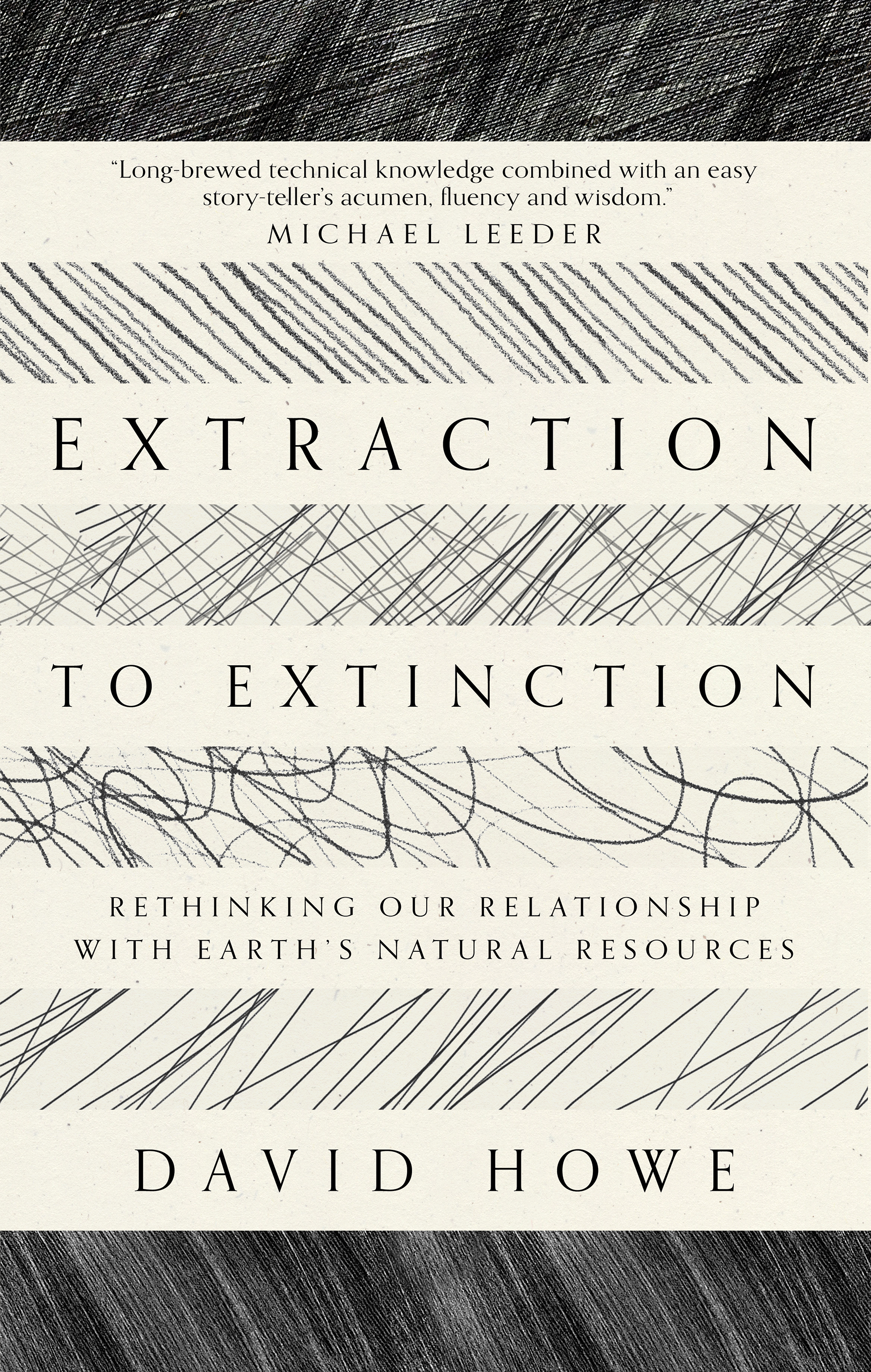

David Howe
David Howe OBE is a retired academic who has studied both Earth sciences social sciences. He has written books on psychology, relationships and social work. His passions include walking, popular science, and writing. He is the author of two previous non-fiction books, including Rocks and Rain, Reason and Romance: The Landscape, History and People of the Lake District and Extraction to Extinction.
Read an extract
Everything we use started life in the earth, as a rock or a mineral vein, a layer of an ancient seabed, or the remains of a long-extinct volcano. Humanity’s ability to fashion nature to its own ends is by no means a new phenomenon. Rocks rich in silica were made into flints in the Stone Age, transformed into stained glass in medieval times, and are now extracted for silicon chips. Our trick of turning rocks rich in malachite and chalcopyrite into copper has taken us from Bronze Age Minoan vases to the wiring that powers modern-day machinery. Today, we mine, quarry, pump, cut, blast and crush the Earth’s resources at an unprecedented rate. We shift many times more rock, soil and sediment each year than the world’s rivers and glaciers, wind and rain combined. Plastics alone now weigh twice as much as all the marine and terrestrial animals around the globe. We have become a dominant, even dangerous, force on the planet. In Extraction to Extinction, David Howe traces our environmental impact through time to unearth how our obsession with endlessly producing and throwing away more and more stuff has pushed the planet to its limit. And he considers the question: what does the future look like for our depleted world?
REVIEWS OF Extraction to Extinction
“Howe’s lyrical and solemn examination of the human impact on the material world in its most literal sense is … an eye-opener … Compelling reading.” Nick Smith
“A lyrical and questing narrative of how humans have used and abused natural resources down the ages … long-brewed technical knowledge combined with an easy story-teller’s acumen, fluency and wisdom.” MICHAEL LEEDER, Professor Emeritus at UEA Norwich, author of Measures for Measure: Geology and the Industrial Revolution
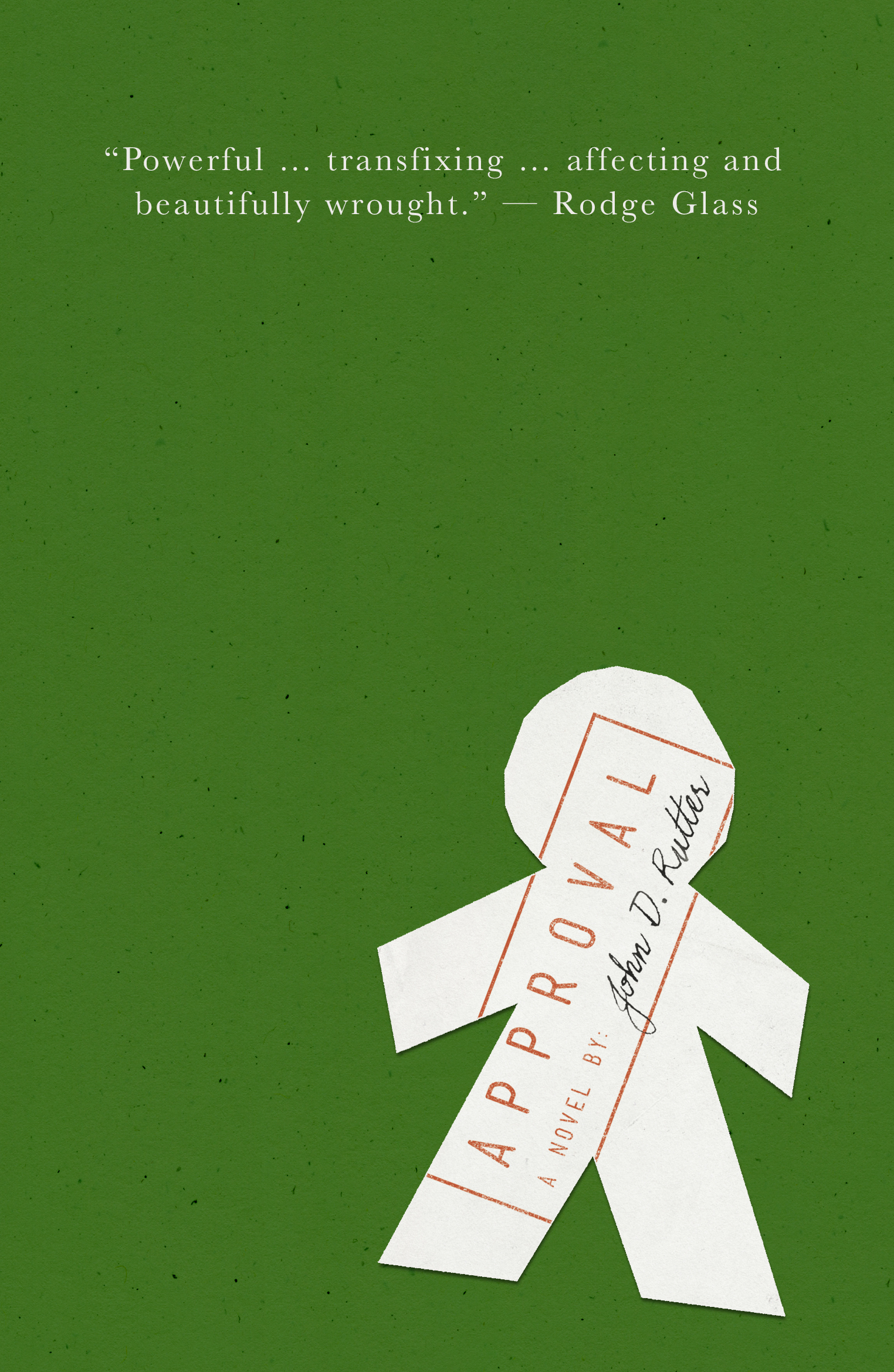

John D. Rutter
John D. Rutter is a short story writer and academic who teaches, edits and writes about short stories – the subject of his PhD from Edge Hill University. His stories have been published in anthologies and journals. His first novel, Approval, won the 2020 NorthBound Book Award. John lives in Lancashire with his wife, Lin.
Approval
Read an extract
Approval follows would-be parents David and Cici through a series of forays into the past as they go through the motions of applying to adopt a child. Their story builds a picture of hope, vulnerability and fear as David is put under intense and intrusive scrutiny during their battle against faceless bureaucracy. From family background and early experiences to adult relationships, he is forced to revisit uncomfortable – sometimes painful – episodes, in the hope of meeting the authority’s requirements. Confronting a lonely, difficult and uncertain path to family life, Approval is a brave novel told from a perspective rarely explored in fiction: a man’s response to a couple’s infertility. Raising questions about how much intervention and judgement is necessary for the state to ascertain fitness to parent, Approval ultimately invites the reader to decide.
Prizes and awards
WINNER: Northbound Book Award 2020
REVIEWS OF Approval
“Richly detailed in place and setting.” New Writing North
"Creative and concise … a worthy winner of the NorthBound Award, it’s an emotionally engaging sequence of vignettes … readers can’t resist reaching their own conclusions.” Alastair Mabbott, Herald
"An authentic voice … the issues it raises are very real and have contemporary resonance." – LANCASHIRE EVENING POST
“John Rutter's Approval is many things at once. A powerful meditation on judgement. A transfixing fable of a Kafka-esque application process. A complex tragedy about fatherhood. But it's also a simple, affecting and beautifully wrought story of one couple's journey towards what they most desire – a child – and the cost of reaching out for one. A hugely promising debut.” – RODGE GLASS
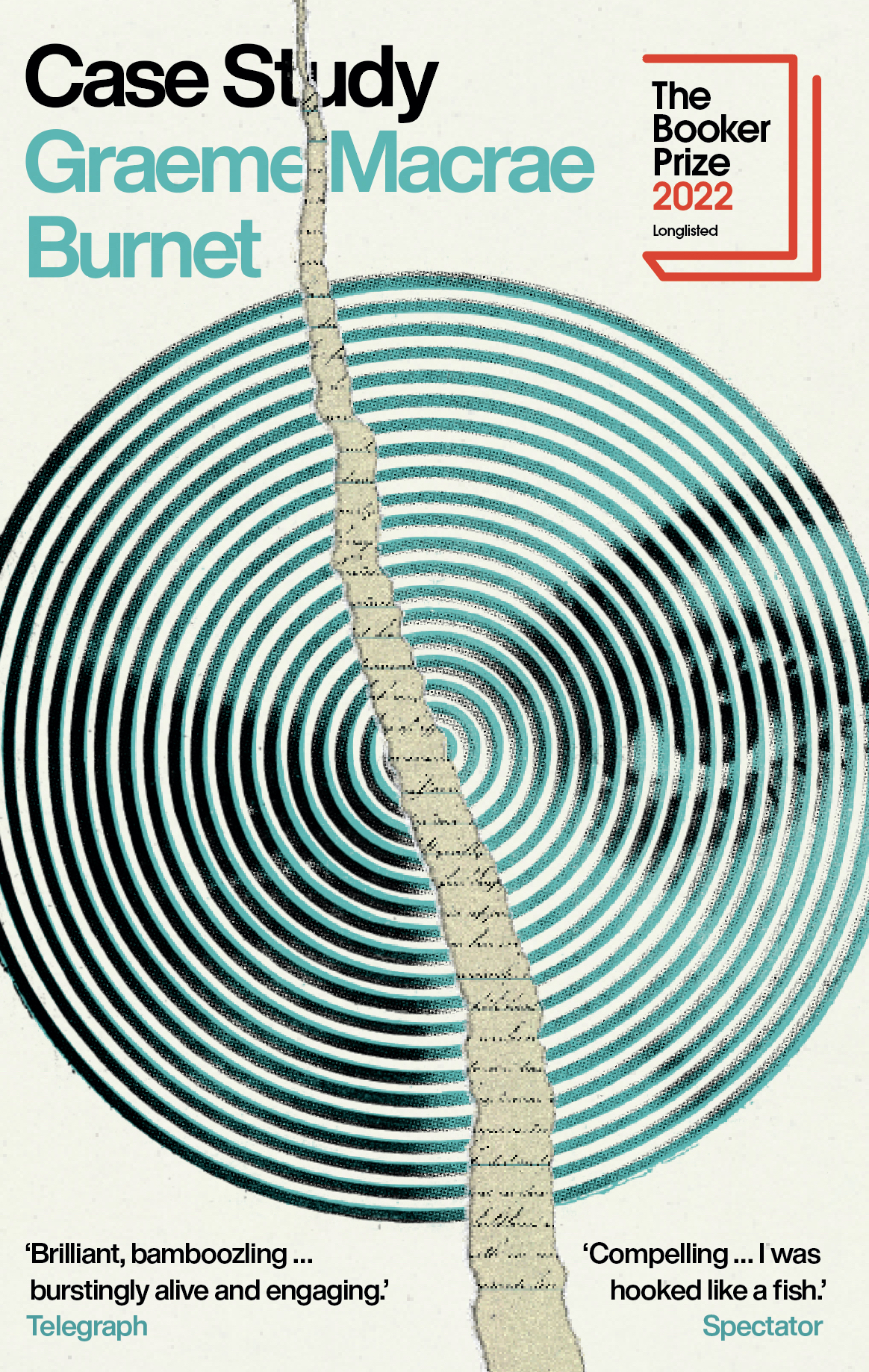

Graeme Macrae Burnet
Graeme Macrae Burnet was born in Kilmarnock and now lives in Glasgow. He is the author of five novels and a novella. His novels are His Bloody Project, Case Study and the French-set Gorski trilogy, the final part of which A Case of Matricide was published in October 2024. His novella Benbecula was published in October 2025 in Polygon’s Darklands series. The Guardian called it ‘intense and utterly compelling.’
His Bloody Project was shortlisted for the 2016 Booker Prize, the LA Times Mystery Book of the Year and the European Crime Fiction prize and won the Saltire Prize for Fiction. It was variously described as ‘astonishing’, ‘fiendishly readable’ and ‘spellbinding’. Case Study was longlisted for the 2022 Booker Prize, shortlisted for the Gordon Burn Prize and included in the New York Times 100 Notable Books of 2022. Hannah Kent called it ‘a novel of mind-bending brilliance.’ The Financial Times declared A Case of Matricide ‘a triumph’. It won the Australian Crime Writers Best International Crime award.
Graeme’s work has been translated into more than twenty languages, and he has appeared at festivals all over the world.
Case Study
Read an extract
LONGLISTED FOR THE BOOKER PRIZE 2022
“A page-turning blast, funny, sinister and perfectly plotted … Rarely has being constantly wrong-footed been so much fun.” James Walton, The Times “A novel of mind-bending brilliance.” Hannah Kent “Fun and funny, sly and serious, a beguiling literary game.” David Szalay
I have decided to write down everything that happens, because I feel, I suppose, I may be putting myself in danger.’
London, 1965. An unworldly young woman believes that a charismatic psychotherapist, Collins Braithwaite, has driven her sister to take her own life. Intent on confirming her suspicions, she assumes a false identity and presents herself to him as a client, recording her experiences in a series of notebooks. But she soon finds herself drawn into a world in which she can no longer be certain of anything. Even her own character.
In Case Study, Graeme Macrae Burnet presents these notebooks interspersed with his own biographical research into Collins Braithwaite. The result is a dazzling – and often wickedly humorous – meditation on the nature of sanity, identity and truth itself, by one of the most inventive novelists writing today.
From the author of the Booker Prize-shortlisted His Bloody Project. www.casestudyGMB.com
Prizes and awards
SHORTLISTED: GORDON BURN PRIZE 2022
LONGLISTED: THE BOOKER PRIZE 2022
SHORTLISTED: NED KELLY AWARDS 2022
LONGLISTED: HWA GOLD CROWN 2022
REVIEWS OF Case Study
“Forensic, elusive and mordantly funny … layered with questions about authenticity and the self.” Booker Prize judges
“Encourages us to look more closely at the inherent instability of fiction itself … genuinely affecting … a very funny book.” –NINA ALLAN, GUARDIAN Read more
"Enormous fun … a mystery and a psychological drama wrapped up in one. Case Study is a triumph." – ALEX PRESTON, OBSERVER Read more
"Caustically funny and surprisingly moving, this is one of the finest novels of the year." – CHRISTIAN HOUSE, FINANCIAL TIMES
"Brilliant, bamboozling … Burnet captures his characters’ voices so brilliantly that what might have been just an intellectual game feels burstingly alive and engaging.” – JAKE KERRIDGE, TELEGRAPH
"A masterclass of diversion … blurring the lines of fiction and reality … serious and witty at once … an enthralling read." – HEATHER MCDAID, THE SKINNY
“Undoubtedly one of the best books of the year.” – ALISTAIR BRAIDWOOD, SCOTS WHAY HAE
"A riveting psychological plot ... tortuous, cunning ... clever." – KATE WEBB, THE TLS Read more
“Compelling … I was hooked like a fish.” – LEYLA SANAI, SPECTATOR Read more
“Poses questions about the nature of the self and the authenticity of identity … He is an uncommonly interesting and satisfying novelist.” – ALLAN MASSIE, SCOTSMAN Read more
“Sinister and cleverly done.” – DAILY MAIL
“A page-turning blast, funny, sinister and perfectly plotted … Rarely has being constantly wrong-footed been so much fun.” – JAMES WALTON, THE TIMES Read more
"A wonderful book, very beautifully and intricately written, finely detailed and at times laugh-out-loud funny, populated by satisfying, well-drawn characters." – ARABELLA WEIR
“What a book! … a dizzying experience … The characterisation is superb; so rich … The sense of time and place is also wonderful.” – CATHERINE SIMPSON
"A novel of mind-bending brilliance. Graeme Macrae Burnet is a master of muddying the waters, of troubling ideas of truth and identity, fiction and documentary, and Case Study shows him at the height of his powers." – HANNAH KENT
“A thrilling investigation into the nature of sanity and identity.” – ALICE O'KEEFFE, THE BOOKSELLER
“Fun and funny, sly and serious, a beguiling literary game that manages to say more about the nature of the self than any number of more self-consciously solemn works.” – DAVID SZALAY
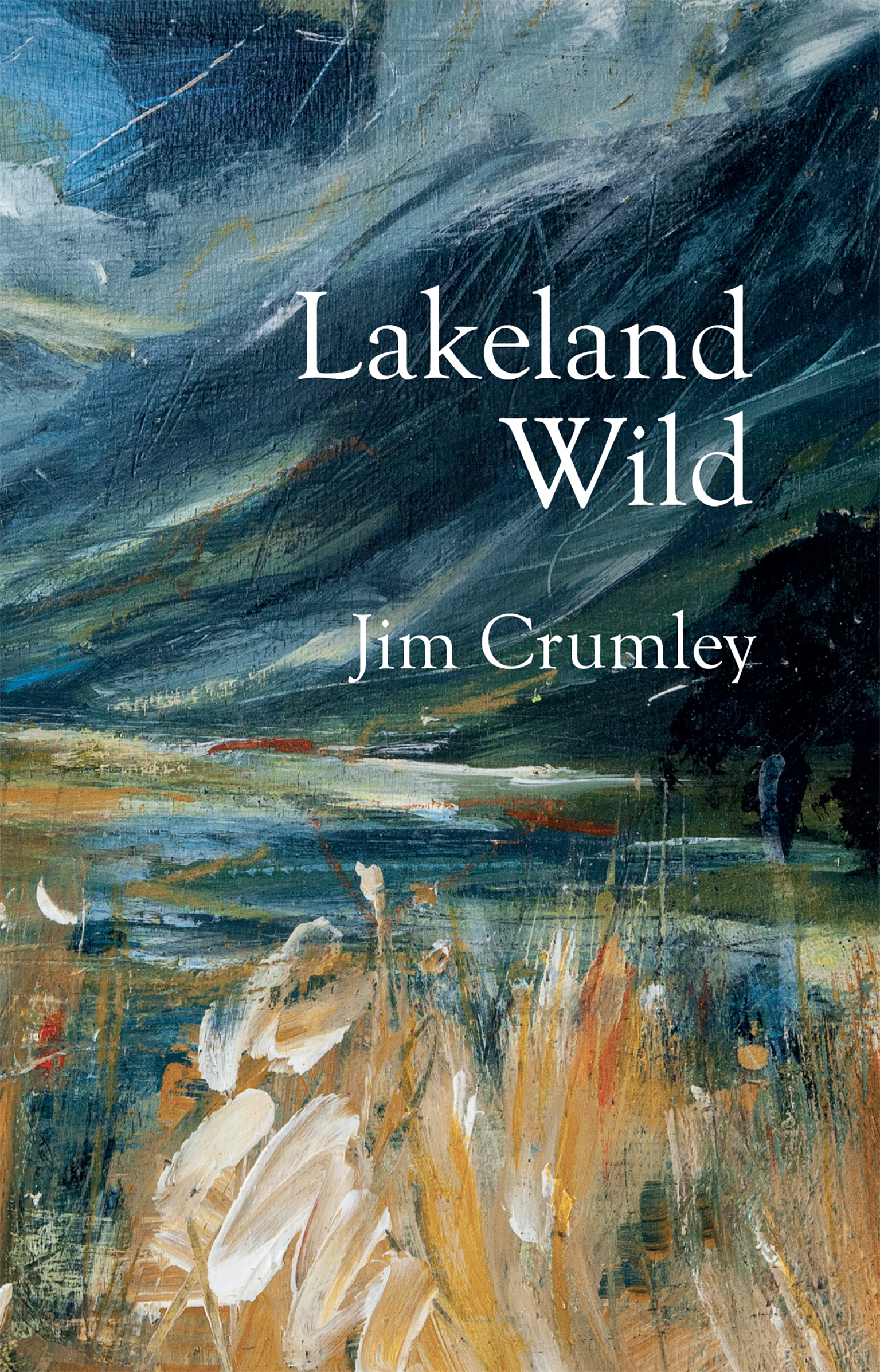

Jim Crumley
Jim Crumley is the author of more than forty books, mostly on the wildlife and wild landscape of his native Scotland, many of them making the case for species reintroductions, or ‘rewilding’. His Seasons series, a quartet of books exploring the wildlife and landscapes and how climate change is affecting our environment across the four seasons, is highly acclaimed. The Nature of Autumn was longlisted for the Wainwright Golden Beer Book Prize 2017 and shortlisted for the Richard Jefferies Society and White Horse Bookshop Literary Prize 2017. The third in the series, The Nature of Spring, was Radio 4’s Book of the Week. The Nature of Summer, was shortlisted for the 2021 Highland Book Prize. The Eagle’s Way was shortlisted for a prestigious Saltire Society award, and his Encounters in the Wild series – which sees Jim get up close and personal with Britain’s favourite animals – has found him many new readers. He has written about the return of the beaver to the UK’s wetlands in Nature’s Architect, and his most recent title is Lakeland Wild, his first to focus entirely on an English landscape. Lakeland Wild was longlisted for the 2022 Lakeland Book of the Year prize. Jim is also a poet, an occasional broadcaster on both radio and television and a widely published journalist who wrote columns for the Dundee Courier for many years and has a monthly column in The Scots Magazine.
The Seasons quartet is now available in one handsome hardback edition, Seasons of Storm and Wonder.
Lakeland Wild
by Jim Crumley
Read an extract
***SHORTLISTED FOR THE LAKELAND BOOK OF THE YEAR – BILL ROLLINSON PRIZE FOR LANDSCAPE & TRADITION***
The Lake District is one of our busiest national parks. Many people believe that wildness is long gone from the fells, lakes, tarns and becks, yet, within its boundaries, Jim Crumley sets out to prove them wrong – to find “a new way of seeing and writing about this most seen and written about of landscapes”. With a naturalist’s eye and a poet’s instinct he is drawn to Lakeland’s turned-aside places where nature still thrives, from low-lying shores to a high mountain oakwood that’s not even on the map. Through backwaters and backwoods, Crumley traces this captivating land’s place in the evolution of global conservation and pleads the case for a far-reaching reappraisal of all of Lakeland’s wildness. Cumbria Life Book of the Month June 2021
Prizes and awards
SHORTLIST: Lakeland Book of the Year
REVIEWS OF Lakeland Wild
“Pleads for a far-reaching reappraisal of the region’s wildness … with the magic of a mature poet.” Roger Butler, The Great Outdoors
“Another great book by Crumley. Being taken out of the comfort zone of his usual patch in Scotland has proved his mettle as a quality writer about the natural world … Great stuff.” Paul Cheney
“Wonderful … The language throughout is delicious. Intelligent and cultured, but not flowery or overblown. He paints vivid pictures in my mind … one feels that one is standing on the hillside with him.” Mark Avery
“Encounters with buzzards, peregrines and siskins are mesmerisingly described.” The Scots Magazine, Book of the Month
“Notions of spirit of place thread through the book … soulful but resisting the ethereal.” Cumbria Life Book of the Month, June 2021
Jim Crumley
Jim Crumley is the author of more than forty books, mostly on the wildlife and wild landscape of his native Scotland, many of them making the case for species reintroductions, or ‘rewilding’. His Seasons series, a quartet of books exploring the wildlife and landscapes and how climate change is affecting our environment across the four seasons, is highly acclaimed. The Nature of Autumn was longlisted for the Wainwright Golden Beer Book Prize 2017 and shortlisted for the Richard Jefferies Society and White Horse Bookshop Literary Prize 2017. The third in the series, The Nature of Spring, was Radio 4’s Book of the Week. The Nature of Summer, was shortlisted for the 2021 Highland Book Prize. The Eagle’s Way was shortlisted for a prestigious Saltire Society award, and his Encounters in the Wild series – which sees Jim get up close and personal with Britain’s favourite animals – has found him many new readers. He has written about the return of the beaver to the UK’s wetlands in Nature’s Architect, and his most recent title is Lakeland Wild, his first to focus entirely on an English landscape. Lakeland Wild was longlisted for the 2022 Lakeland Book of the Year prize. Jim is also a poet, an occasional broadcaster on both radio and television and a widely published journalist who wrote columns for the Dundee Courier for many years and has a monthly column in The Scots Magazine.
The Seasons quartet is now available in one handsome hardback edition, Seasons of Storm and Wonder.
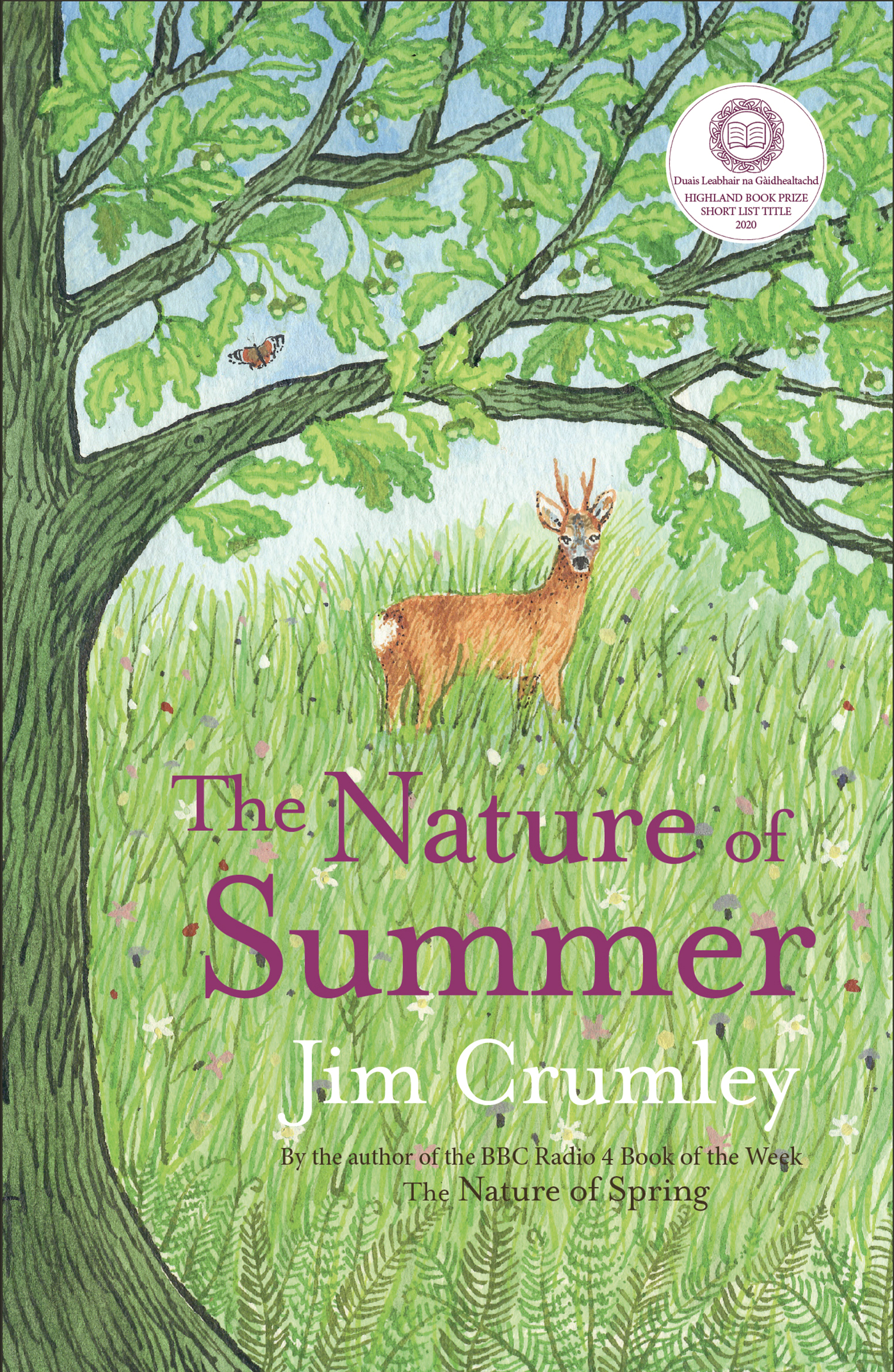
The Nature of Summer (Paperback)
by Jim Crumley
Read an extract
BUYING OPTIONS
Buy The Nature of Summer (Paperback)
SHORTLISTED: Highland Book Prize In the endless light of summer days, and the magical gloaming of the wee small hours, nature in Jim’s beloved Highlands, Perthshire and Trossachs heartlands is burgeoning freely, as though there is one long midsummer’s eve, nothing reserved. For our flora and fauna, for the very land itself, this is the time of extravagant growth, flowering and the promise of fruit and the harvest to come. But despite the abundance, as Jim Crumley attests, summer in the Northlands is no Wordsworthian idyll. Climate chaos and its attendant unpredictable weather brings high drama to the lives of the animals and birds he observes. There is also a wild, elemental beauty to the land, mountains, lochs, coasts and skies, a sense of nature at its very apex during this, the most beautiful and lush of seasons. Jim chronicles it all: the wonder, the tumult, the spectacle of summer – and what is at stake as our seasons are pushed beyond nature’s limits.
Prizes and awards
Shortlisted: Highland Book Prize
REVIEWS OF The Nature of Summer (Paperback)
‘This is a work of pure escapism as the throb of spring gives way to the reflective calm of our warmest months. Crumley’s writing effortlessly captures the majesty of a golden eagle eyrie, the magic of beavers returning to their old habitats, and the joy that arrives with a flock of whooper swans overhead … The perfect finale to this evocative seasonal collection’ Tiffany Francis-Baker, BBC Wildlife Magazine
“Scotland’s foremost living nature writer” Dundee Courier
“A mesmerising blend of observation and in-depth knowledge about our wild landscapes … every bit as compelling and thought-provoking as its predecessors ... no better book to lose yourself in.” Herald
"This is a work of pure escapism as the throb of spring gives way to the reflective calm of our warmest months. Crumley’s writing effortlessly captures the majesty of a golden eagle eyrie, the magic of beavers returning to their old habitats, and the joy that arrives with a flock of whooper swans overhead … The perfect finale to this evocative seasonal collection." Tiffany Francis-Baker, BBC Wildlife Magazine
“[A] beautiful book … [an] exceptional and intense quality of observation glows from every page … He finds astonishing beauty in the landscape, and sheer wonder in his encounters … Nothing can diminish the sharpness of his eye, the ardour of his writing, and the pure wonder at the natural world that shapes every paragraph … A wisdom that we need now, more than ever before.” Joyce McMillan, The Scotsman


Stan L Abbott
Stan L Abbott is an award-winning writer on the outdoors and conservation, whose career as a journalist began in Yorkshire. He has written on travel and the outdoors for national and regional newspapers and magazines. He has also worked in industry and tourism in the UK and Europe. He has written and edited many books about local history, travel and walking, and published or edited several travel and conservation magazines. A prominent member of the Outdoor Writers & Photographers Guild, he led a rail restoration group in Yorkshire and writes regularly for the New European newspaper. Walking the Line was longlisted for the Lakeland Book of the Year prize. His most recent book, Ring of Stone Circles, was published in April 2022.
Read an extract
***SHORTLISTED FOR THE LAKELAND BOOK OF THE YEAR – STRIDING EDGE PRIZE FOR GUIDES & PLACES***
Widely known as England’s most picturesque line, the enduring Settle – Carlisle Railway crosses the north Pennines between Yorkshire and Cumbria, traversing stunning scenery from the Dales through the lonely and lofty fells to the limestone pavements of Westmorland, and on into the lush, green Eden Valley. The line was built by the Midland Railway company in the 1870s, to forge an independent route connecting its English network with Scotland. Uniquely for a railway in the UK, the entire infrastructure is a Conservation Area in its own right – comprising viaducts, stations, bridges, tunnels, trackside structures and railway workers’ cottages. By walking all or parts of the route from Settle to Carlisle, you get the chance to get up close to this iconic railway’s magnificent architecture. And in the company of a knowledgeable guide, you’ll also discover centuries’-worth of local history and traditions: Roman remains, medieval castles, the annual Appleby Horse Fair gathering, and much more besides.
Prizes and awards
SHORTLIST: Lakeland Book of the Year
REVIEWS OF Walking the Line
"A compelling journey along the Settle-Carlisle railway, full of detailed research and engaging insights on this treasured line." Emily Atherton , Cumberland & Westmorland Herald
'An endearing love-letter to the Settle to Carlisle Railway. It is an enticing mix of reminiscence, history, characters and practical information that lift it far above the level of a conventional guide book. It is evocative and affecting, with a rich sense of time and place. Written with both style and clarity, it is a must for anyone who wants to walk the route or ride the train.' Peter Gillman (author & Chairman of the Outdoor Writers & Photographers Guild)

Jim Crumley
Jim Crumley is the author of more than forty books, mostly on the wildlife and wild landscape of his native Scotland, many of them making the case for species reintroductions, or ‘rewilding’. His Seasons series, a quartet of books exploring the wildlife and landscapes and how climate change is affecting our environment across the four seasons, is highly acclaimed. The Nature of Autumn was longlisted for the Wainwright Golden Beer Book Prize 2017 and shortlisted for the Richard Jefferies Society and White Horse Bookshop Literary Prize 2017. The third in the series, The Nature of Spring, was Radio 4’s Book of the Week. The Nature of Summer, was shortlisted for the 2021 Highland Book Prize. The Eagle’s Way was shortlisted for a prestigious Saltire Society award, and his Encounters in the Wild series – which sees Jim get up close and personal with Britain’s favourite animals – has found him many new readers. He has written about the return of the beaver to the UK’s wetlands in Nature’s Architect, and his most recent title is Lakeland Wild, his first to focus entirely on an English landscape. Lakeland Wild was longlisted for the 2022 Lakeland Book of the Year prize. Jim is also a poet, an occasional broadcaster on both radio and television and a widely published journalist who wrote columns for the Dundee Courier for many years and has a monthly column in The Scots Magazine.
The Seasons quartet is now available in one handsome hardback edition, Seasons of Storm and Wonder.
The Nature of Spring (Paperback)
by Jim Crumley
Read an extract

A BBC Radio 4 Book of the Week, from the author of the Wainwright Prize-longlisted The Nature of Autumn Spring is nature’s season of rebirth and rejuvenation. Earth’s northern hemisphere tilts towards the sun, winter yields to intensifying light and warmth, and a wild, elemental beauty transforms the Highland landscape and a repertoire of islands from Colonsay to Lindisfarne. Jim Crumley chronicles the wonder, tumult and spectacle of that transformation, but he shows too that it is no Wordsworthian idyll that unfolds. Climate chaos brings unwanted drama to the lives of badger and fox, seal and seabird and raptor, pine marten and sand martin. Jim lays bare the impact of global warming and urges us all towards a more daring conservation vision that embraces everything from the mountain treeline to a second spring for the wolf.
REVIEWS OF The Nature of Spring (Paperback)
“This thought-inducing paean to nature brings the issues of the natural world to the forefront … Crumley writes movingly about the season of rebirth and transformation which sees the hibernators awaken and the daffodils rise. A wonderful read.” Kirstin Tait, Scottish Field
“Beautifully written … thoughtful and thought-provoking … Jim Crumley does not shy away from the important issues facing the natural world [in] a book you’d like to think could have real influence on the world we live in.” Undiscovered Scotland
“Mesmerising.” Susan Swarbrick, Herald
"Delightful … The lyrical prose elevates Crumley’s detailed descriptions of the natural world he encounters … Readers will be transported by this immersive outing." Publishers Weekly
“Enthralling and often strident.” Observer
"He could be Ali Smith’s naturalist twin.” Rosemary Goring, Scottish Review of Book
“A fantastic writer … exquisite observations of details in the landscape as well as sweeping vistas … remarkable.” Ben Hoare, BBC Countryfile
“Nature writer and poet Jim Crumley returns with a third volume of close observations [and] charts the arrival of spring, from the February song of a mistle thrush to May’s drowsy warmth. Crumley quotes Margiad Evans – ‘Write in the very now where you find yourself’ – and takes her advice to heart.” New Statesman


Laurence Mitchell
Laurence Mitchell is a travel writer with a number of guidebooks and walking guides to his name. He also writes features for magazines like Geographical, Walk and Discovering Britain. He has contributed to Echtrai Journal, Elsewhere: a journal of place and several anthologies, and was a regular guest writer for the Berlin-based magazine hidden europe for many years. His first book for Saraband, Westering, was published in 2021.
Read an extract
BUY IN USA
BUYING OPTIONS
Buy Westering


(US customers only)

Beginning in Great Yarmouth and meandering to Aberystwyth, Westering is a coast-to-coast journey traversing the Fens, East Midlands, Birmingham, the Black Country and central Wales. It connects landscape, place and memory to evoke a narrative unravelling the deep topography. Exploring a westerly route that runs against the grain of the land, Laurence Mitchell also reveals its geology, culture and historical bedrock. With the industrial Midlands sandwiched between bucolic landscapes in East Anglia and Wales, this route takes in places that are too often overlooked. Along the way we encounter deserted medieval villages, battlefield sites, the ghosts of Roman soldiers, valleys drowned for reservoirs, ancient forests, John Clare’s beloved fields, and the urban edgelands. Notions of home and belonging, landscapes of loss and absence, wildlife, the psychology of walking, and the psychogeography of liminal places all frame the story.
REVIEWS OF Westering
“Rich with detail about the landscape … clear, engaging … the perfect travelling companion … understated … but, nonetheless, profound.” Psychogeographic Review
‘His narrative blends a geographer’s store of knowledge with perceptive observations of our natural and man-made environments … there are bucketloads of fascinating history and topography: deserted medieval villages, battlefield sites, ancient forests and hidden canals … I felt like I’d been with him every step of the way.’ Roger Butler, The Great Outdoors
“A treasure trove of unexpected and little-known facts written by a travel writer with an insatiable interest in walking, landscape and local history … Highly recommended.” Outdoor Focus, journal of the Outdoor Writers and Photographers Guild
‘A beautifully compelling reminder that we never walk alone … a superb and illuminating guide.’ Julian Hoffman, author of Irreplaceable


Antoinette Fawcett
Antoinette Fawcett is an award-winning member of the Translators Association of the Society of Authors. Her most recent literary translation is The Limits of My Language: Meditations on Depression, by Eva Meijer. Her 2018 translation of Eva Meijer’s Bird Cottage was shortlisted for the 2019 Vondel Prize. She is the translator of Shocked Earth (Saraband 2021), by Saskia Goldschmidt from Dutch.

Saskia Goldschmidt
Saskia Goldschmidt worked in theatre and teaching before becoming a full-time writer.
Her first novel, The Hormone Factory, was nominated for the Libris Literature Prize 2013 and the Euregio Prize and has been translated into several languages. It was published in the US by Other Press (2014) and in the UK by Saraband (2016), translated by Hester Velmans. It was broadcast on the Netherlands’ Radio 1 channel and released as a podcast in 2018.
Goldschmidt’s bestselling second novel, The Vintage Queen (2015), has also been translated into several languages.
Shocked Earth (2021), translated by Antoinette Fawcett, is the first major novel about the effects of gas extraction on people living in the Dutch province of Groningen.
Shocked Earth
by Antoinette Fawcett by , Saskia Goldschmidt
Read an extract
“Exquisitely captures the way our lives and identities are interwoven with the land we live on, and how its destruction will ultimately be our own. A powerful portrait of a family, an exploration of love and grief, it is perhaps most of all an essential call to action – I was both heartbroken and inspired.” Helen Sedgwick “One of my favourite books of [the year]: it was one of those rare books that I kept thinking about while I wasn’t reading it … It’s an absolute cracker … this book’s humanity is precisely where its power lies.” Helen Vassallo, Translating Women Femke, her mother Trijn and her grandfather have very different ideas about how to run their family farm. Tensions between mother and daughter are growing; Femke wants to switch to sustainable growing principles, whilst her mother considers this an attack on tradition. To make matters worse, their home province of Groningen is experiencing a series of earthquakes caused by a gas extraction operation near their farm. While the cracks and splinters in their farmhouse increase, the authorities and the gas company refuse to offer the local farming community any help. In Shocked Earth, Saskia Goldschmidt investigates what it means to have your identity intensely entwined with your place of birth and your principles at odds with your closest kin. And how to keep standing when the world as you know it is slowly falling apart. Download the Shocked Earth BOOK GROUP GUIDE
REVIEWS OF Shocked Earth
“Well-written and worth reading, offering political insight and a glimpse of a little-known part of the Netherlands.” Environmental Book Club
“Shocked Earth is a powerful testament to what happens when the gatekeepers of the land, those with a deep connection to the earth, are silenced and displaced. But it’s also full of hope.” Emma Yates-Badley, Northern Soul
“One of my favourite books of [the year]: it was one of those rare books that I kept thinking about while I wasn’t reading it … It’s an absolute cracker … this book’s humanity is precisely where its power lies.” Helen Vassallo, Translating Women
Written with attentiveness to the complex relationship between landscape, community and nature, Shocked Earth tells a powerful and moving story of love, loss and determination to look ahead to the future.” Ben Smith, author of Doggerland
“Last weekend I read the book in one breath. How little did I know about the problems and life in the Groningen countryside ... will definitely recommend this beautiful novel!" Ria van Halem, bookseller Boekaa Verkaaik
“In order to be able to write Shocked Earth, Saskia Goldschmidt moved to a rural region … worked on a dairy farm and spoke to its inhabitants. This effort pays off in this thorough novel with a lot of empathy, showing how the earthquakes … forever change the lives of the people trying to keep this business going.” Dagblad van het Noorden
“Goldschmidt writes eloquently... showing the way the North of the Netherlands is held captive by the gas sourcing business.” NRC
“Goldschmidt manages to portray the lives of farmers in great literary style, and with authentic vocabulary.” Het Parool
“Shocked Earth shows us the impact of natural disasters on people´s lives. This is what literature can do.” Nieuwsweekend
"...a rural novel in which the characters by changing circumstances forced. With beautiful heroines and accomplices, opponents and a wonderful character like Fokko. " Louis Stiller
"A novel with great ambitions, which remains credible." Faithful
"Shocked Earth exquisitely captures the way our lives and identities are interwoven with the land we live on, and how its destruction will ultimately be our own. A powerful portrait of a family, an exploration of love and grief, it is perhaps most of all an essential call to action – I was both heartbroken and inspired." Helen Sedgwick


Ewan Morrison
Ewan Morrison is a multi-award-winning novelist, screenwriter and essayist. His 2021 novel, How to Survive Everything, received critical acclaim in the UK, is in development for a TV series. It will be published in the US in 2022. His 2019 novel, Nina X, won the Saltire Society Scottish Fiction Book of the Year and is currently being developed as a feature film with a multi-award-winning director.
He has previously won the Scottish Book of the Year Fiction Prize (2013) and the Glenfiddich Scottish Writer of the Year (2012).
His first feature film, an adaptation, was released in five territories in 2016, and was a finalist for four international film awards. American Blackout, a feature length docudrama co-written by Morrison, reached an estimated audience of 30 million viewers. Morrison has also been nominated for three Scottish BAFTAs.
Photo credit: Paul Harkins
How to Survive Everything
Read an extract
Longlisted for the 2021 McIlvanney Prize for Scottish Crime Book of the Year
My name is Haley Cooper Crowe and I am in lockdown in a remote location I can’t tell you about. Haley and Ben live with their mother. But their dad has good reason to believe there’s a new, much deadlier pandemic coming. He’s determined to get them to the safety of his lockdown hideaway. NOW. The only problem is, there is no way their mother will go along with this plan. Kidnapped by their father, they have no contact with the outside world. Can they survive? Will they save their mother? This is one teenage girl’s survival guide for negotiating the collapse of everything she knows – including her family and sanity. – Listen to Ewan Morrison’s playlist of Songs to Survive Everything.
Prizes and awards
LONGLISTED: MCILVANNEY PRIZE 2021
SHORTLISTED: BOOKMARK FESTIVAL BOOK OF THE YEAR 2021
CRIME READS BEST PSYCHOLOGICAL THRILLERS OF 2022
REVIEWS OF How to Survive Everything
“[An] intriguing premise… Morrison has concocted an adventurous plot.” New York Times
"Enthralling" The Bookseller
“This is an absolutely brilliant read.” Lucy Mangan
"I loved everything about [this book]... the voice, the world, the humour, the darkness … Read now, thank me later..." Antonia Senior
"A brilliant, intriguing, harrowing, illuminating story." Tim Minchin
“This is a seriously excellent novel.” Irvine Welsh
“A complex, thought-provoking drama about fake news, real fears and frayed family ties … both exciting and terrifying … a bold and compelling book by a writer whose creative risks continue to pay huge dividends.” Malcom Forbes, Herald
"A terrific and gripping story… a masterclass in storytelling … echoes of Salinger’s Holden Caulfield … Haley is a triumph … often very funny … It’s unusual for a dystopian novel to be rich in humanity, but this one is. … Morrison has been recognized as the best or certainly most interesting Scottish novelist of his generation, and this is the best book he has yet written." Alan Massie, The Scotsman
"I wasn’t sure there could be a great pandemic novel. Here it is." Ian Rankin
"The novel’s ingenuity is in keeping the reader on tiptoes … The funniest thing about this book is that it is funny … the ways in which divorce, depression and disaster can all be weaponised make this a skewed comedy of manners ― as if The Good Life had been rewritten by George A. Romero … it takes a novelist as humane and wry as Morrison to find in [survivalism] a very weird redemption." Stuart Kelly, Spectator
“How To Survive Everything is a gritty and (tragically) cool novel. The collision of a broken family and a global pandemic, it reads as a survival guide and feels like (is) a warning.” David Shields (via Twitter)
"Urgent and exciting, harnessing our current global anxiety with a beautifully observed family drama." Atom Egoyan
“Terrifying … a terrifically written thriller that puts a very contemporary dysfunctional family at the heart of a very contemporary dystopian reality.” Lynda Obst, Producer of Interstellar
