

Ruary Mackenzie Dodds
Ruary Mackenzie Dodds is one of the country’s leading experts on dragonflies. He is in great demand to share his expertise and enthusiasm with radio and TV audiences, and is a regular contributor to BBC programmes such as Countryfile, Springwatch and Nature Detectives. Ruary has also written ‘Aberfeldy: The History of a Highland Community’ and a historical novel, ‘Luc de Fontanac’s War’.
In The Dragonfly Diaries, Dodds shares his quirky fascination for these remarkable creatures, and combines fascinating descriptions with a diary chronicling the ups and downs of establishing Britain’s first public dragonfly sanctuary. This book is a must for nature buffs.
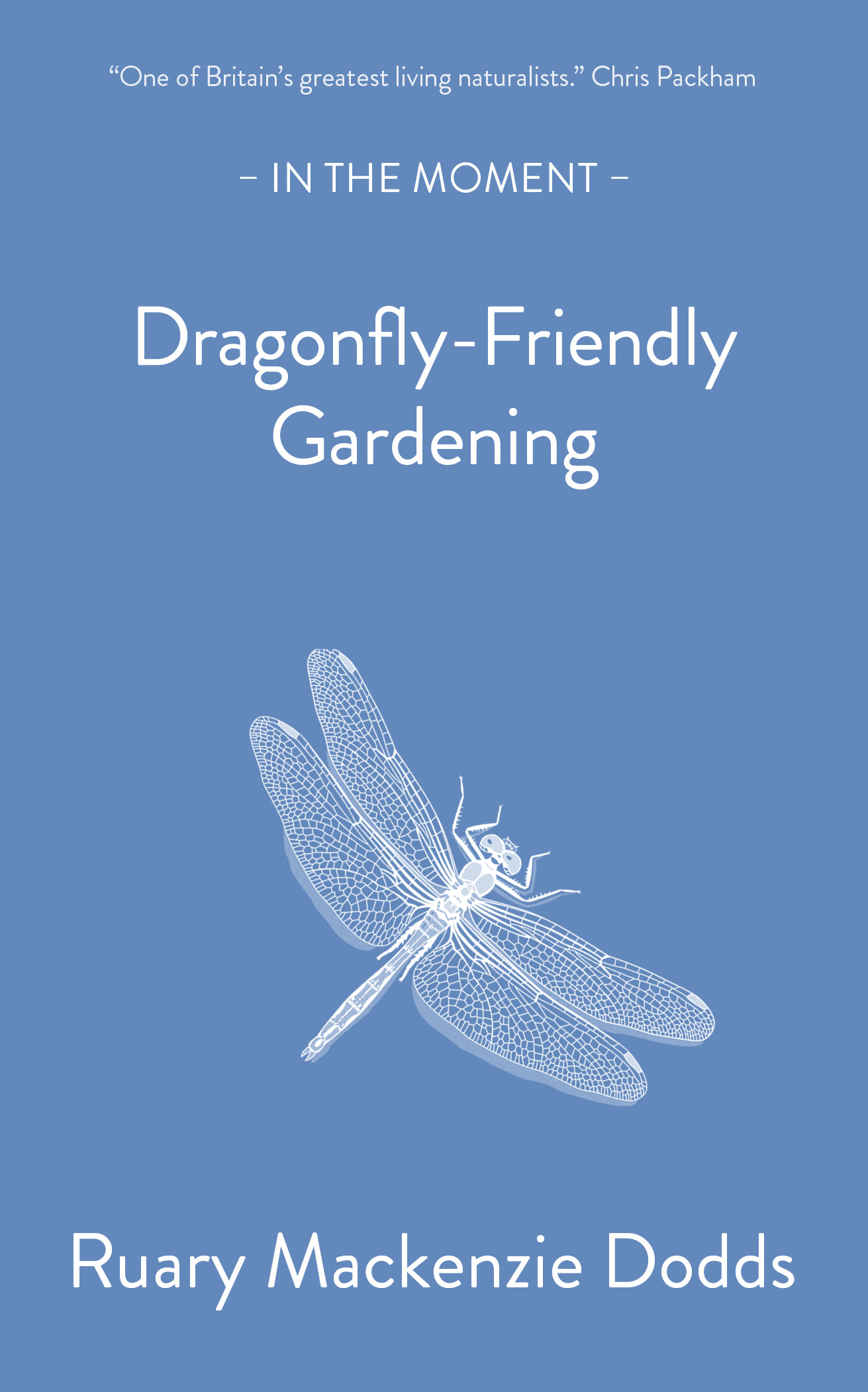
Dragonfly-Friendly Gardening


Learn from Britain’s leading dragonfly expert how to invite dragonflies and damselflies into your garden and create the conditions for them to thrive.
In this compact and accessible wildlife primer, ‘Dragonfly Ambassador’ Ruary Mackenzie Dodds shows how to set up a tranquil garden haven for dragonflies, with straightforward, easy-to-follow guidance on preparing your pond, what plants to include in it, and how to manage and enjoy it.
With stunning colours and phenomenal flying abilities, dragonflies are beautiful creatures that are also vital to our ecosystem. This book outlines, too, how caring for something as specific and delicate as a dragonfly can provide a welcome respite from the everyday demands of life. We can, as always, learn so much from the natural world, even – and sometimes especially – from its smallest creatures.
Learn how to transform your garden into a haven for dragonflies and damselflies, nurturing your own mental health and protecting the planet as you do so. Every pond counts!
REVIEWS OF Dragonfly-Friendly Gardening
“Ruary is the greatest ambassador these insects have… One of Britain's greatest living naturalists” Chris Packham
Chitra Ramaswamy
Chitra Ramaswamy is an author and journalist. Her 2022 book, Homelands: The History of a Friendship (Canongate) is a work of creative non-fiction exploring her friendship with a German Jewish refugee and Holocaust survivor called Henry Wuga. It won the Non-Fiction Book of the Year at Scotland’s National Book Awards and was included in The Guardian’s top memoirs and biographies of 2022. Her first book, Expecting: The Inner Life of Pregnancy (Saraband) won the First Book of the Year Award at Scotland’s National Book Awards, was shortlisted for the Polari Prize, and was reissued with a new introduction in spring 2024. She has contributed essays to Antlers of Water, Nasty Women, The Freedom Papers, The Bi:ble, and Message From The Skies and produced a book of micro-essays, Rich Things, for the Alasdair Gray Archive. She writes for The Guardian, is the restaurant critic for The Times Scotland, broadcasts for BBC radio, and is currently working on her third book. She is from London and lives in Edinburgh.
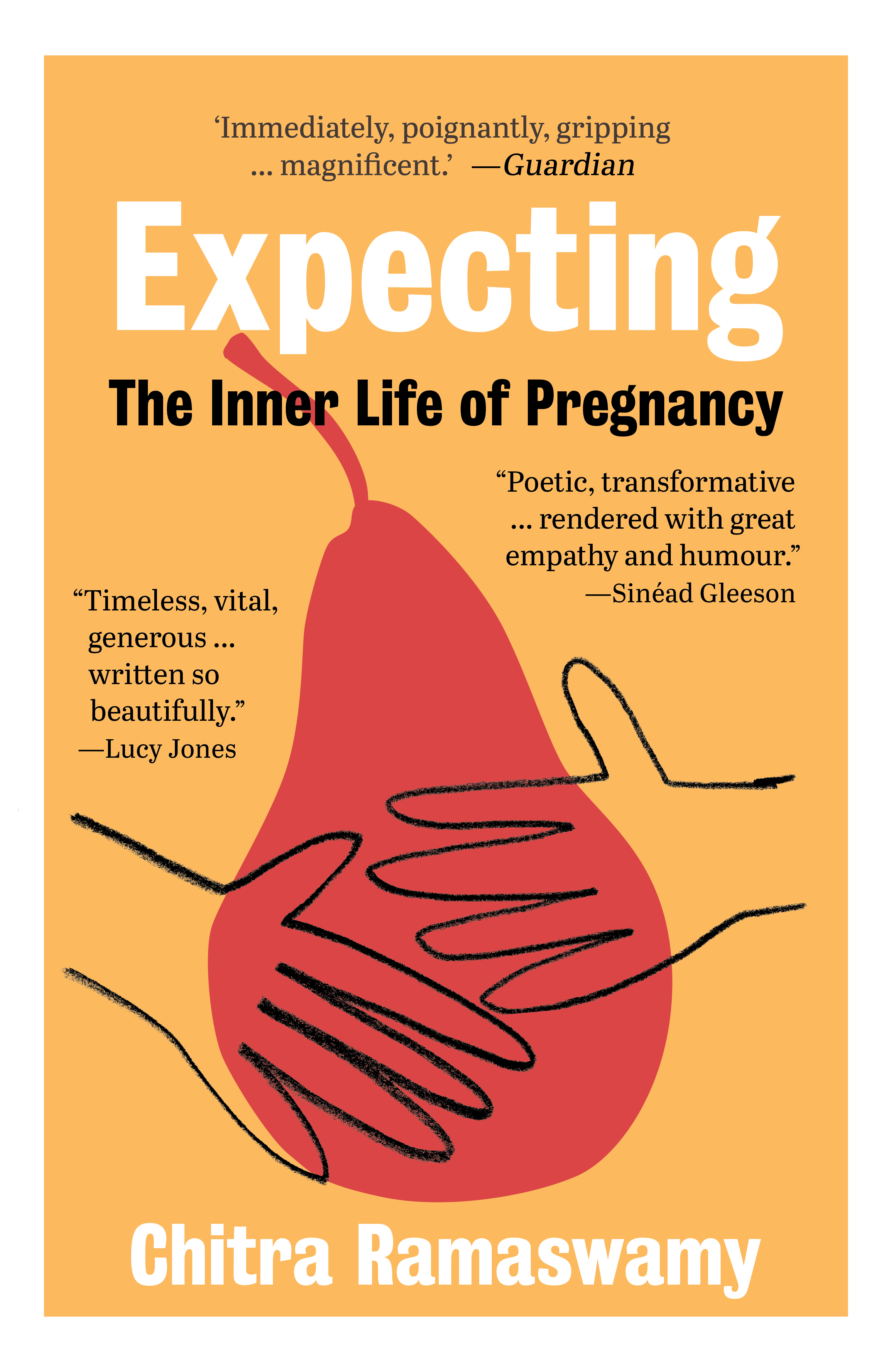
Expecting

“A cartoon fried egg. An eye. The tiniest of black holes. It needed a professional eye to be seen, but once pointed out it was undeniable. My own little Big Bang. The beginning of it all.”
When Chitra Ramaswamy discovered she was pregnant, she longed to read something that went above and beyond a biology book or prescriptive manual; something that, instead, got to the heart of this thrilling, bewildering, overlooked, and often misrepresented experience.
Expecting is a creative memoir. Through nine chapters exploring the nine months of pregnancy and birth, Ramaswamy takes the reader on a physical, intellectual, emotional, literary, and philosophical journey through the landscape of pregnancy. Childbearing and childbirth are experiences defined both by the measurable monthly changes to one’s life and body, and by those immeasurable, often obscured and neglected changes in perspective which are accessed through metaphor, art, and emotion.
Ramaswamy bears witness to the individual and collective experience of pregnancy in this intimate yet expansive book of wild and lyrical essays, paying tribute to this most extraordinary and ordinary of experiences.


Linda Cracknell
-
Linda Cracknell is a writer of narrative non-fiction on the natural world, as well as of fiction and radio scripts. Her first story collection was nominated for a Saltire Award (now Scotland’s National Book Awards) and the Robin Jenkins Award for environmental writing, and her essay collection Doubling Back: Ten Paths Trodden in Memory, about journeys she took on foot in Scotland, Spain, Switzerland, and Kenya, was serialised for BBC Radio as a Book of the Week. All of Linda’s writing is inspired first and foremost by place, and she teaches creative writing, especially nature and place writing.
-
Past and present converge as Linda Cracknell doubles back to follow in the footsteps of others.
Across Norway, Kenya, the Isle of Skye and Lindisfarne, Doubling Back traces the contours of history. Following paths long mythologised by writers and relatives gone before, Linda Cracknell charts how places immortalised in writing and memory create portals; wrinkles in time and geography that allow us to walk in the footsteps of others.
Join Linda as she traverses the dangerous crevasses of the Swiss alps to retrace the mountaineering past of the father she barely knew, follows the escape route of a Norwegian scientist on the run in the second world war, or simply celebrates the joy found in the ‘friendly paths’ of her local, regular terrain, and the ritual of returning home.
Originally published in 2014 to rave reviews and serialised on BBC radio, this revised edition includes an account of a new journey through northern Scotland’s Flow Country, the peatland that is our chief Carbon store. As the century is almost one quarter through, Linda doubles back once more to reflect on our future on this fragile Earth.
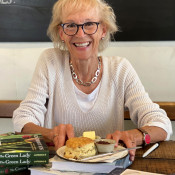
Sue Lawrence
Sue Lawrence is the author of several historical thrillers that cast fascinating light on the perils and injustice that characterised women’s lives in Scotland through centuries past – whether born into penniless or powerful families: Lady’s Rock, The Green Lady, The Unreliable Death of Lady Grange, Down to the Sea, The Night He Left and Fields of Blue Flax. She is also one of the UK’s leading cookery writers and broadcasters. Having trained as a journalist, she won BBC’s MasterChef in 1991 and became a food writer, Cookery Editor of the Sunday Times and a regular contributor to Scotland on Sunday and many leading magazines, and she appears frequently on BBC Radio 4’s Kitchen Cabinet. Born in Dundee, she was raised in Edinburgh, where she now lives. She has won two Guild of Food Writers Awards and a Glenfiddich Food and Drink Award and is the author of more than 20 books.
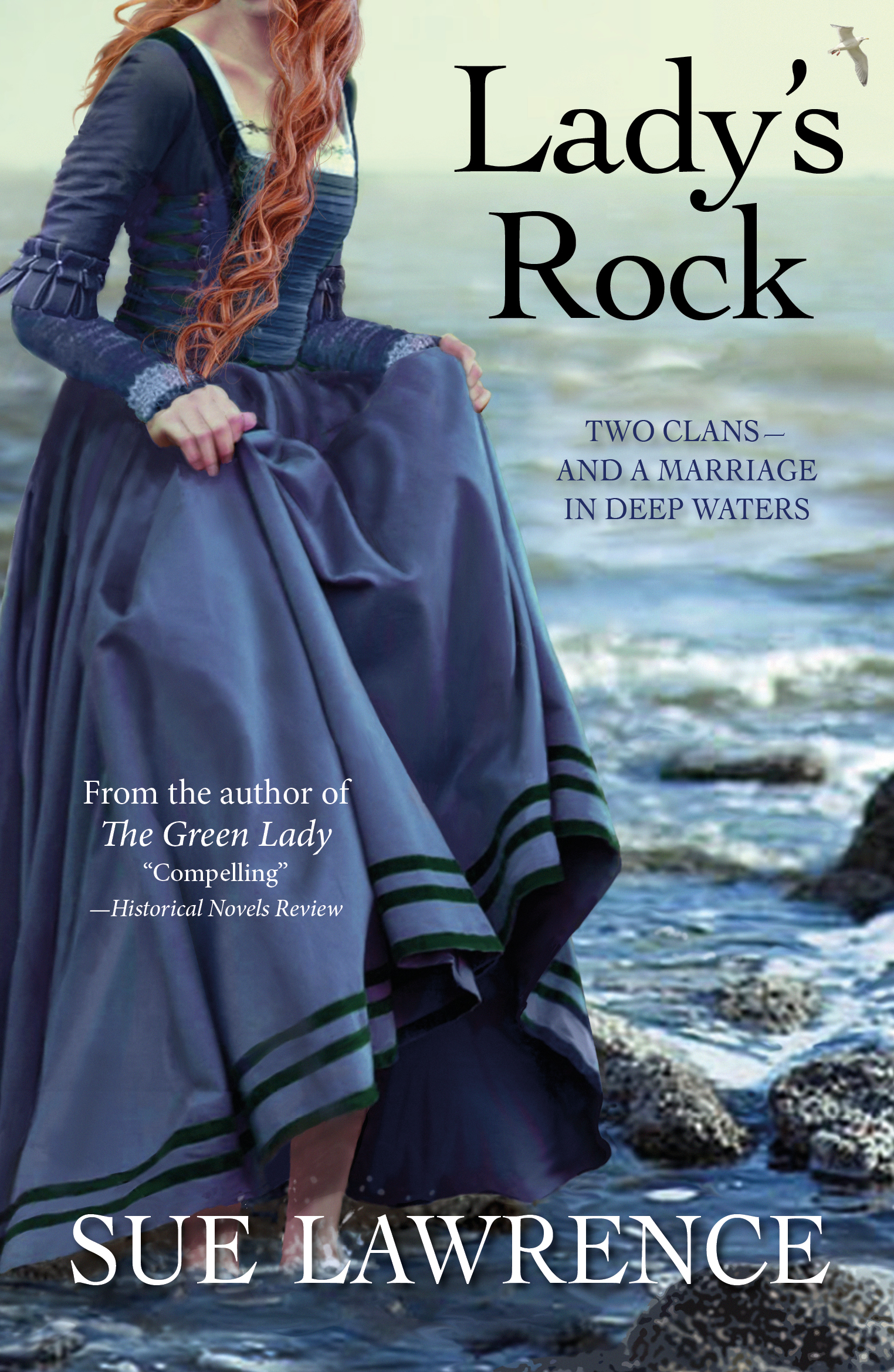
Lady’s Rock
by Sue Lawrence
‘A wronged woman’s voice is reclaimed in this gripping tale of revenge and romance; a ‘medieval Gone Girl’.
Highland Scotland was no place for a woman in the early 1500s. Life was turbulent, brutal, short. Chiefs waged war, while their sisters and daughters were traded as pawns in marriage. Catherine Campbell was one such young bride, betrothed to Lachlan Maclean and despatched from her fine home to join him on the Isle of Mull, to bear his sons and heirs.
But Lachlan proved to be nothing like the man of Catherine’s dreams, and she was forced to resign herself to enduring life with him for the sake of duty… Until the day when he threatened to take away the one thing she couldn’t sacrifice: her daughter.
Casting a fascinating light on the ruthless clan system, this compelling drama by one of Scotland’s best-loved novelists explores love, ambition, betrayal and revenge and highlights the precarious position of 16th-century women.
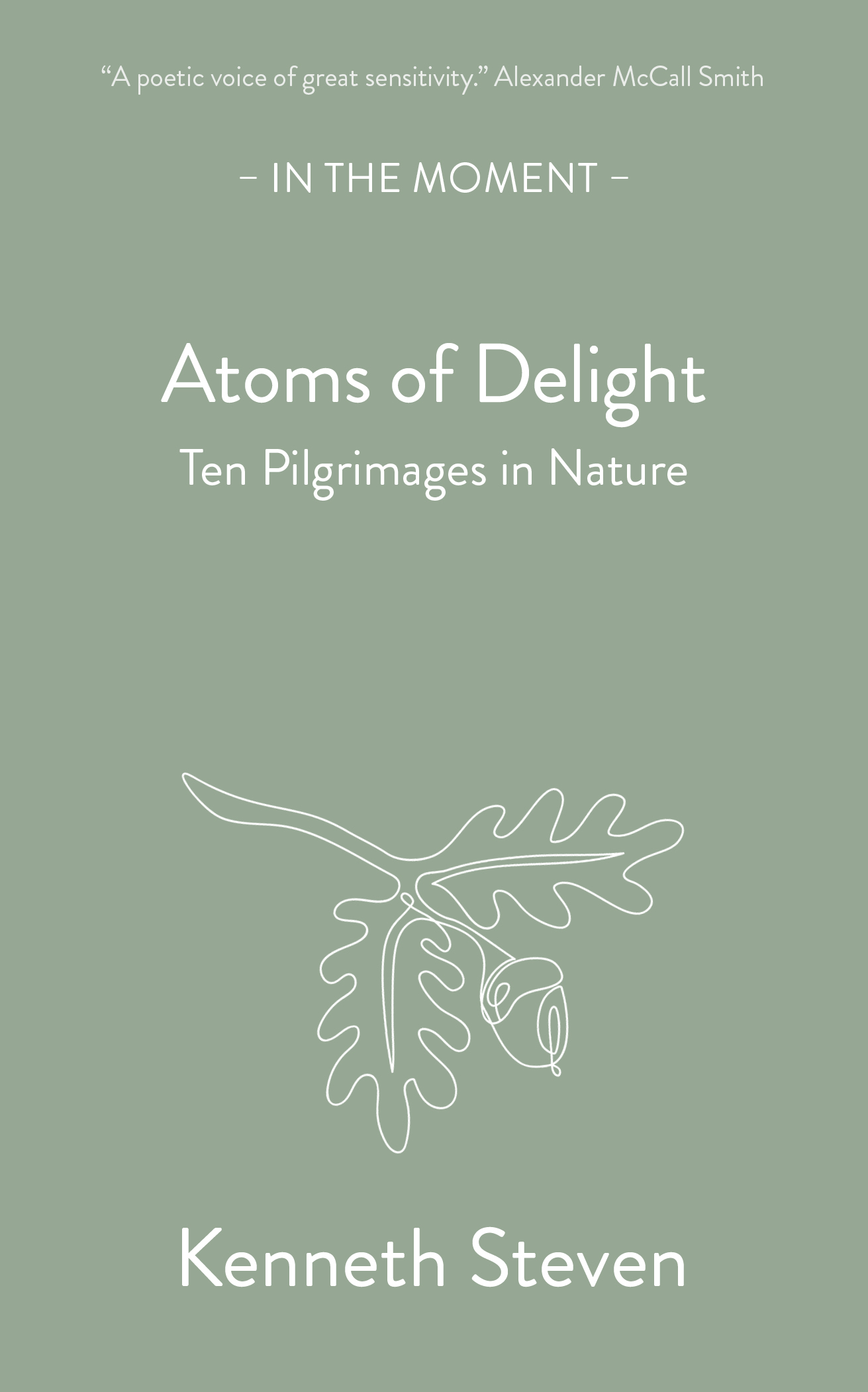

Kenneth Steven
Kenneth Steven is a successful poet, novelist and children’s writer who has published some 25 books. His BBC Radio 4 documentary on the island of St Kilda won him a Sony Award. His previous novel, The Well of the North Wind (SPCK, 2016), was a spiritual tale set on 6th-century Iona, whilst Beneath the Ice (Saraband, 2016) tells the story of the Arctic Sami people. His latest novel, 2020, presents a dystopic vision of Britain at breaking point and was longlisted for The Portico Prize.
-
Poet and essayist Kenneth Steven takes us on a series of meditative quests in search of his “atoms of delight”—treasures, both natural and spiritual—through some of Scotland’s most beautiful landscapes.
The short pieces in this captivating collection, whose title pays homage to Scottish Renaissance writer Neil Gunn, invite readers to accompany Steven as he seeks out crystal-clear waters, a glimpse of an elusive bird, delicate orchids, plump berries, or pebbles polished by time and tide. Appreciative of the grace of silence and the value of solitude and simplicity, he takes journeys that prompt introspection and provoke memories as we pause, breathe, and discover alongside him the transformative power of nature’s small gifts and wild places.
This is an evocative book that will inspire you to pay close attention as you explore your environment and reflect on the fleeting moments of pure joy that nature has brought into your life. As you set out on your own pilgrimages, you will discover the extraordinary that can be found in the everyday when you take the time to look for it.

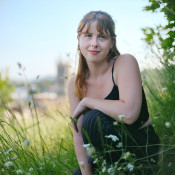
Maya Blackwell
-
Maya Blackwell is a poet and author from Devon. She grew up in a woodland-based New Age traveller community and explores the themes she absorbed there—of community and nature—throughout her work. Her writing interests include permaculture, well-being, nature connection, grief, creativity, womanhood, and the ocean. She is a prolific spoken-word performer, has been published in Helicon Magazine for the University of Bristol, and is a graduate of the University of Plymouth, with a FD Honors in Creative Art Therapies Studies.
-
Permaculture needs all of us, and all of us need permaculture.
Permaculture is a way of farming, gardening, or managing land that emphasises a reciprocal relationship with nature. It’s a design process that works with wildness, not against it. And it’s an essential resource in the fight of our lives: tackling the climate crisis.
Here, permaculture practitioner and poet Maya Blackwell writes with expertise and personal experience of the transformative power of permaculture for both people and the planet. As well as tracing its evolution – from its roots in Indigenous societies to the important role it plays in urban allotments today – you will discover how the practice could nurture individual and collective wellbeing. There are opportunities throughout for reflection, creativity and connection. These present valuable lessons we can all learn from the principles of permaculture, to help us build resilience and lean into the long-term process of trying new things, adapting failures and reaping all that we sow.
Whether you’re completely new to permaculture or someone with years of experience wanting to reconnect with its history and core values, this book contains tools for growth that bring rewards far beyond the garden.

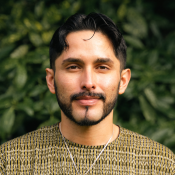
Andrés N. Ordorica
-
Andrés N. Ordorica is a queer Latinx writer based in Edinburgh. Drawing on his family’s immigrant history and his own third culture upbringing, his writing maps the journey of diaspora and unpacks what it means to be from ni de aquí, ni de allá (neither here, nor there). He is the author of the poetry collection At Least This I Know. His writing has been shortlisted for the Morley Prize for Unpublished Writers of Colour, the Mo Siewcharran Prize and the Saltire Society’s Poetry Book of The Year. How We Named the Stars is his first novel. He serves as a trustee and board member for Artlink Edinburgh. He is passionate about advocating for increased opportunities for marginalised communities to engage with the creative arts.
How We Named the Stars
-
‘Hearing you say my name was a way of seeing myself as I had never seen myself … you gave my name new meaning, new weight.’
Nerdy and shy, scholarship student Daniel de La Luna arrives at college nervous to meet his golden-haired, athletic roommate, whose Facebook photos depict a boy just like those who made Daniel’s school years hell.
Sam Morris is not what he had imagined, though. As the two settle into college life they drink tequila under the stars, go on long runs through snow-covered hills, explore freshman nightlife, and inch closer until they find themselves in love.
But their blissful first year is over all too soon. Daniel’s summer in his ancestral homeland of México becomes a rollercoaster of revelations, before his life is brutally upended by the unimaginable.
How We Named the Stars is a tale of love, heartache and learning to honour the dead. Daniel and Sam will leave you forever changed.
REVIEWS OF How We Named the Stars
‘In How We Named the Stars, Andrés N. Ordorica has crafted a radiant and deeply moving novel about the beauty and pain of love—for our partners, our families, and ourselves. An impressive emotional tour de force, and an extraordinary debut’ Christopher Castellani, author of Leading Men
‘Love and loss, freedom and security, sex and identity—Andrés N. Ordorica’s How We Named the Stars explores the desires and fears that live within us, that surface despite our attempts to tame or quiet them. In Ordorica's thoughtful prose, time becomes a character through which we come to learn the value of what can be gained when we allow ourselves to be vulnerable to our deepest longings. The story of Daniel and Sam will be with us for years to come’ Eloisa Amezcua, author of Fighting Is Like a Wife
‘Andrés N. Ordorica has captured the crushing isolation of navigating an elite college for the first time, all while experiencing a powerful, yet unattainable first love. Named after his family’s late uncle, Daniel wrestles with the continued impact of loss even as he finds glimpses of comfort. This novel is an extended meditation on the relationship between joy and grief, and how it can bind and heal both a life and a family’ Analicia Sotelo, author of Virgin
‘How We Named the Stars is a novel of first love and last rites. Ordorica captures perfectly the challenges of building a life out of experience, out of allowing ourselves to feel everything. A beautiful tale of friendship and the comfort found in stories of the past and in the arms of elders, living and dead’ Richard Mirabella, author of Brother & Sister Enter the Forest
‘Andrés N. Ordorica has written an intimate, necessary story of first love, first loss, and the promise of new beginnings. This empowering novel is required reading for anyone struggling to uncover their most authentic self’ Zak Salih, author of Let’s Get Back to the Party
‘In Andrés N. Ordorica’s majestic novel, the emotional and intellectual life of Daniel de La Luna, a first-generation college student, is rendered beautifully, deftly. Belonging, for Daniel, is complicated by familial grief and self-doubt but a heart-shattering first love spurs him to cross and to erase the borders between him and those who love him. I’m especially moved by his bond with his Abuelo, which is impactful, instructive. Novels this well-written remind us reading is an intimacy, an immersive experience that enriches us beyond measure’ Eduardo C. Corral, author of Guillotine
‘Ordorica delves into love and loss in two places and two times to powerful effect’ Booklist
‘Told with authenticity and compassion, this unconventional love story redefines notions of fraternity’ Kirkus Reviews, Starred Review
‘Dazzling. . . . a heartbreaking tale of a first-generation college student exploring his sexuality and roots while reckoning with grief. Ordorica portrays Daniel and Sam’s encounters with tenderness and heat, and Daniel’s aching and poignant narration. . . . is chock-full of wisdom’ Publishers Weekly, Starred Review
Susie White
-
Susie White is a gardening and travel writer, broadcaster, wildlife photographer and lecturer. A lifelong and passionate gardener, she developed the garden at Chesters Walled Garden on Hadrian’s Wall in Northumberland. Since then she has created a garden from scratch in a hidden valley on previously uncultivated land. Beyond the garden, Susie’s interests include the environment, conservation, wildlife, upland hay meadows, archaeology, heritage skills and the landscape and walks of the North Pennines, Northumberland, and the Lake District. She is a regular contributor to the Guardian, BBC Countryfile, The English Garden, Homes and Gardens, and is garden columnist for My Weekly magazine. A member of the Garden Media Guild, and RHS speaker, she is the author of Gardens of Northumberland and the Borders, Second Nature and The Gardener and the Moth.
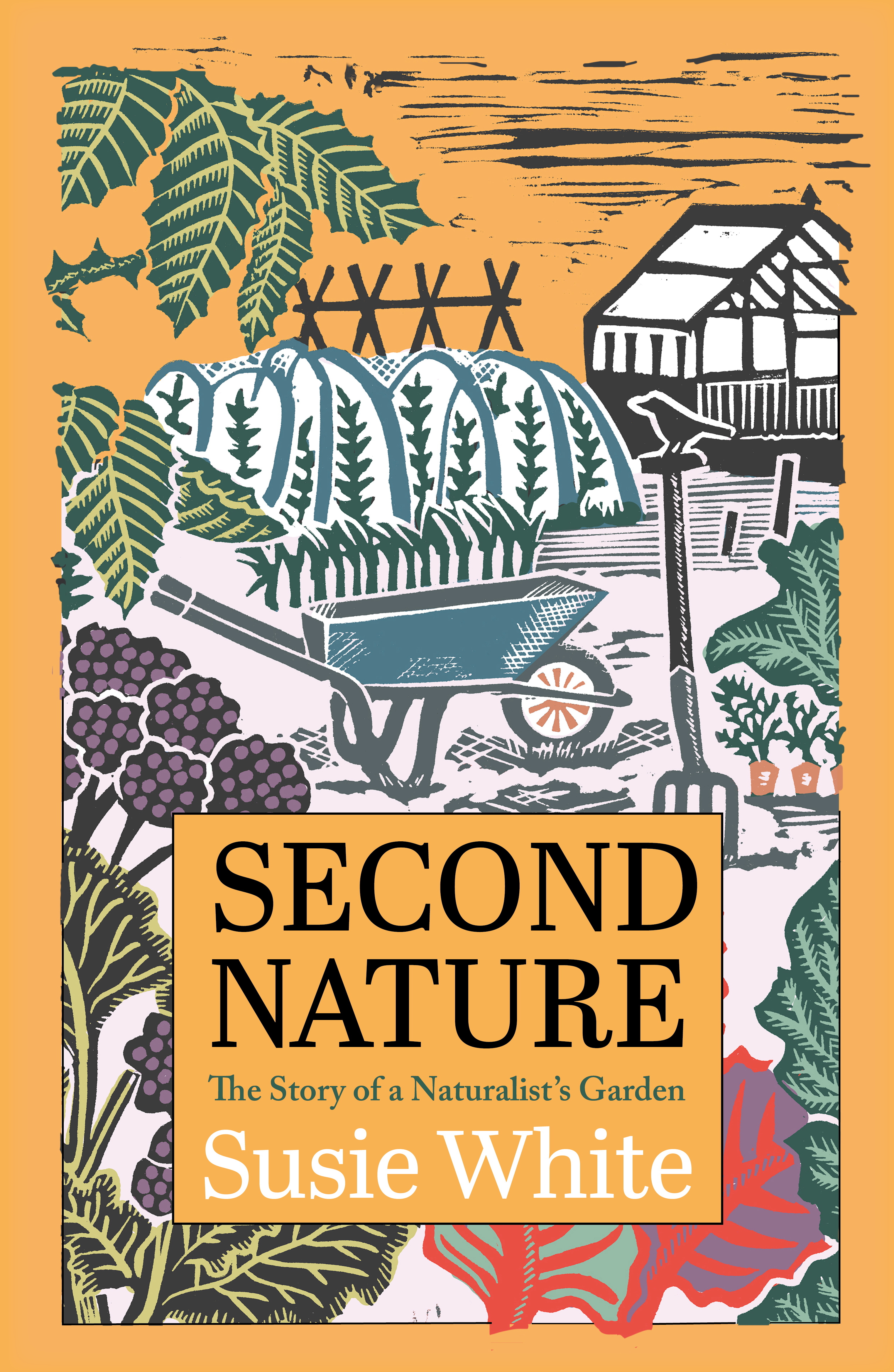
Second Nature
by Susie White
-
Discover the transformative power – for you and for wildlife – of building an outdoor sanctuary for all species to thrive in and enjoy.
In a hidden valley tucked into an unspoiled corner of Northumberland lies a naturalist’s garden, developed from scratch by award-winning gardener and author Susie White, her husband and friends. This is the story of how they created a remarkable oasis, a place as alive as it is beautiful.
Susie’s vision and passion unfold as she transforms a patch of untended ground into a wildlife-friendly haven, planted with flowering perennials, trees, herbs, vegetables, and a wildflower meadow. The spaces teem with life: owls and blackbirds, bats and mice, butterflies and bees, all drawn by pollen-rich flowers, ponds, and nesting sites. Second Nature takes us through the planning and construction, and describes how she designed the garden to blend harmoniously with her natural environment.
From the plants and wildlife to the structures that provide shelter and habitat, every element reflects Susie’s commitment to sustainability. Her account is filled with inspiration and practical advice for gardeners to learn from, and her deep appreciation for the natural world shines through.

Donald S Murray
Writer and poet Donald S Murray is an Honorary Fellow of the Association for Scottish Literature who has won the Society of Authors’ Paul Torday Memorial Prize (2012, for As the Women Lay Dreaming,) and the Callum Macdonald Memorial Award (2021), among many awards for his historical fiction, creative non-fiction and poems. His critically acclaimed books bring to life the culture and nature of the Scottish islands, and he appears regularly on BBC Radio 4 and BBC Radio Scotland and as a live performer.
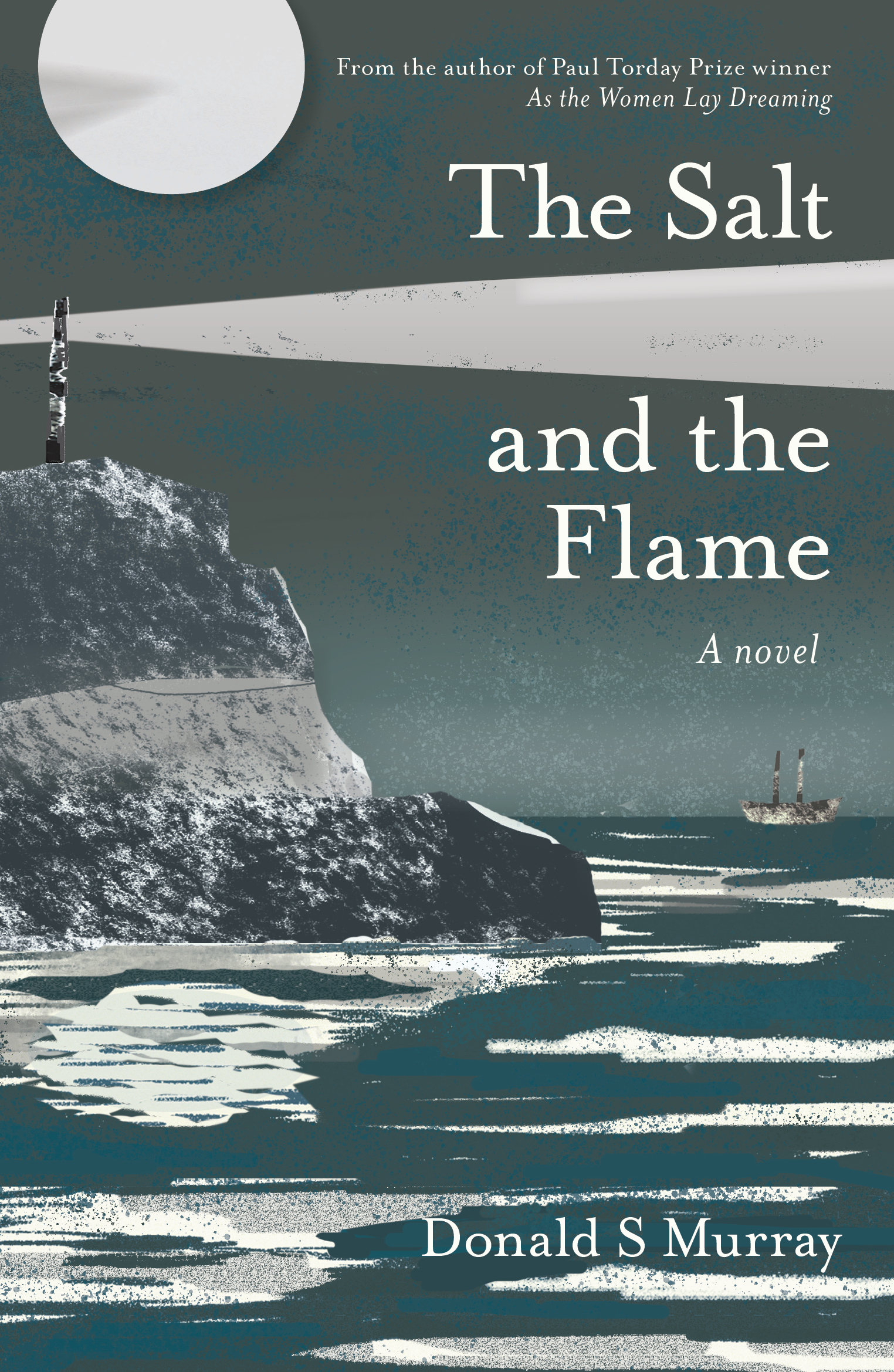
The Salt and the Flame
-
“Tender, wise and beautiful.” The Times, book of the month
April 21, 1923. The SS Metagama is inching out of Stornoway harbor, Scotland, bound for Canada. On board are Finlay and Mairead; they are young and hopeful, leaving behind their struggling motherland to change their lives forever…
On the other side of the Atlantic, though, they face the realities of an uncaring industrial society. The effects of the Great Depression are inescapable, prejudice and division are rife, and though they remain bound by a shared past, their own lives soon diverge.
In an adopted country that is tense with both opportunity and loss, social progress and violent backlash, can Mairead and Finlay keep their promises to one another, to look only forward, and resist the constant pull of home?
From the author of the prize-winning As the Women Lay Dreaming comes a poignant and deeply evocative novel of the 20th-century emigrant experience in the New World. With lyrical prose and masterful storytelling, Murray paints a vivid portrait of the resilient Hebrideans-in-exile who struggled between holding on and letting go.
Ajay Close
-
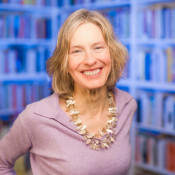
Ajay Close grew up in Yorkshire and, after her school years at a Sheffield comprehensive, studied at Cambridge. She worked at Granta before becoming a journalist and then a novelist. She is the author of six literary novels, of which her first, Official and Doubtful, was longlisted for the Orange Prize. Her novels are pacy, often political, page-turning, dealing with family and relationships under pressure, and can be read as thrillers. Her new novel, What Doesn’t Kill Us, will be published by Saraband in early 2024.
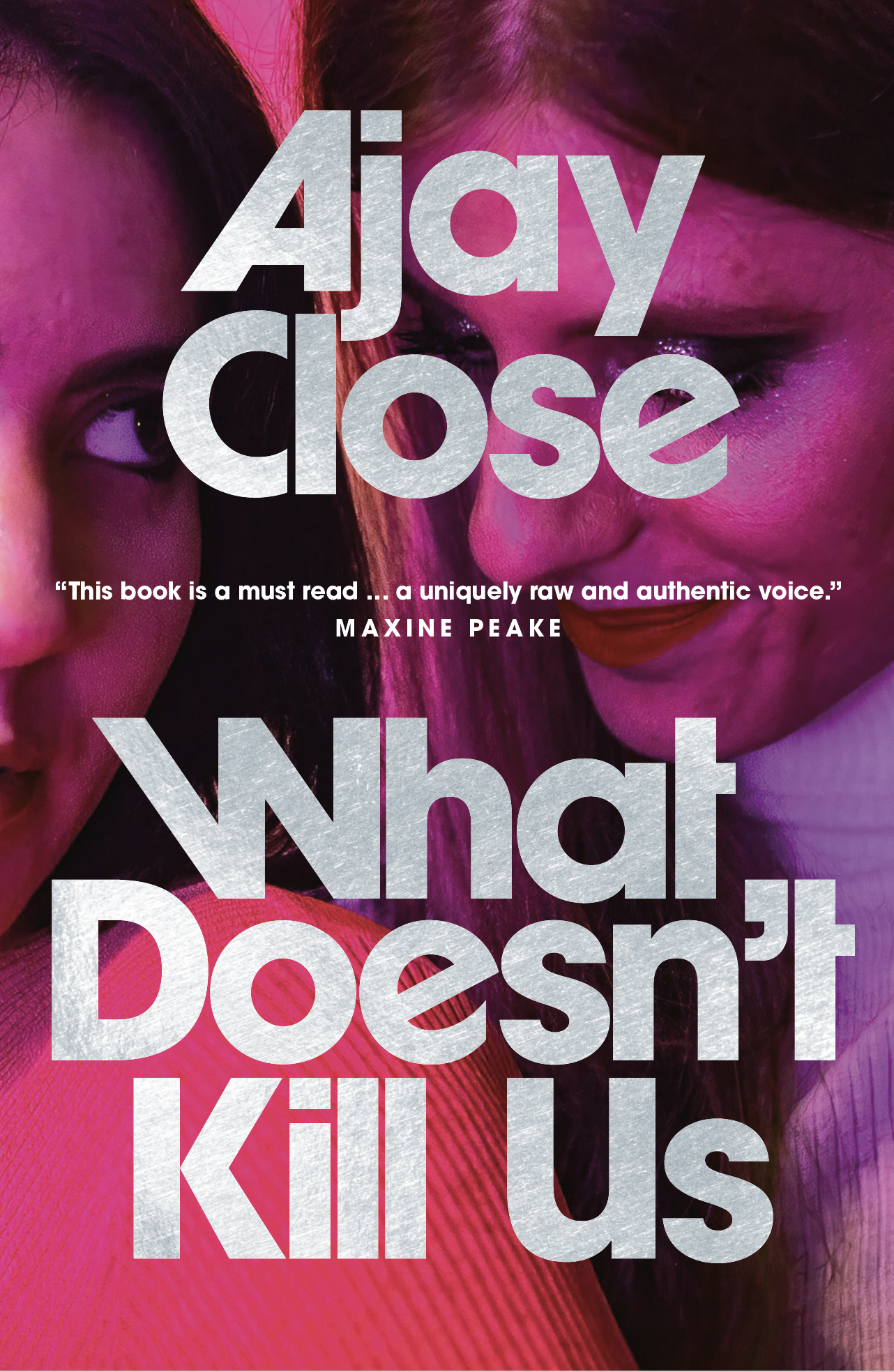
What Doesn’t Kill Us
Winner: Fiction Book of the Year, Scotland's National Book Awards
by Ajay Close
-
“This book is a must read … a uniquely raw and authentic voice.” –Maxine Peake
A killer stalks the streets of Leeds. Every man is a suspect. Every woman is at risk. But in a house on Cleopatra Street, women are fighting back.
It’s the eve of the 1980s. PC Liz Seeley joins the squad investigating the murders. With a violent boyfriend at home and male chauvinist pigs at work, she is drawn to a feminist collective led by the militant and uncompromising Rowena. There she meets Charmaine – young, Black, artistic, and fighting discrimination on two fronts.
As the list of victims grows and police fail to catch the killer, women across the north are too terrified to go out after dark. To the feminists, the Butcher is a symptom of wider misogyny. Their anger finds an outlet in violence and Liz is torn between loyalty to them and her duty as a police officer. Which way will she jump?
Ajay Close combines the tension of a police procedural with the power and passion of the women’s lib movement. By turns emotional, action-packed and darkly funny, What Doesn’t Kill Us reveals just how much the world has changed since the 1970s – and how much it hasn’t.
REVIEWS OF What Doesn’t Kill Us
“This book is a must read. Ajay has a uniquely raw and authentic voice. She conjures up atmosphere like no other.” Maxine Peake
“Powerful and compelling. A page-turner that forces us to question how far we've progressed in the past fifty years.” Olga Wojtas
"Immensely humane, a book of huge themes and minutely observed characters … with a warm intelligence, compassion and wit.” Ewan Morrison
“Taut, atmospheric and beautifully observed.” Brian Groom
“Beautifully written, stark and relevant.” Caro Ramsay
“Vivid and visceral.” Val McDermid
