

Susie White
-
Susie White is a gardening and travel writer, broadcaster, wildlife photographer and lecturer. A lifelong and passionate gardener, she developed the garden at Chesters Walled Garden on Hadrian’s Wall in Northumberland. Since then she has created a garden from scratch in a hidden valley on previously uncultivated land. Beyond the garden, Susie’s interests include the environment, conservation, wildlife, upland hay meadows, archaeology, heritage skills and the landscape and walks of the North Pennines, Northumberland, and the Lake District. She is a regular contributor to the Guardian, BBC Countryfile, The English Garden and Homes and Gardens. A member of the Garden Media Guild, and RHS speaker, she is the author of Gardens of Northumberland and the Borders, Second Nature, The Gardener and the Moth and A Garden Full of Birds.


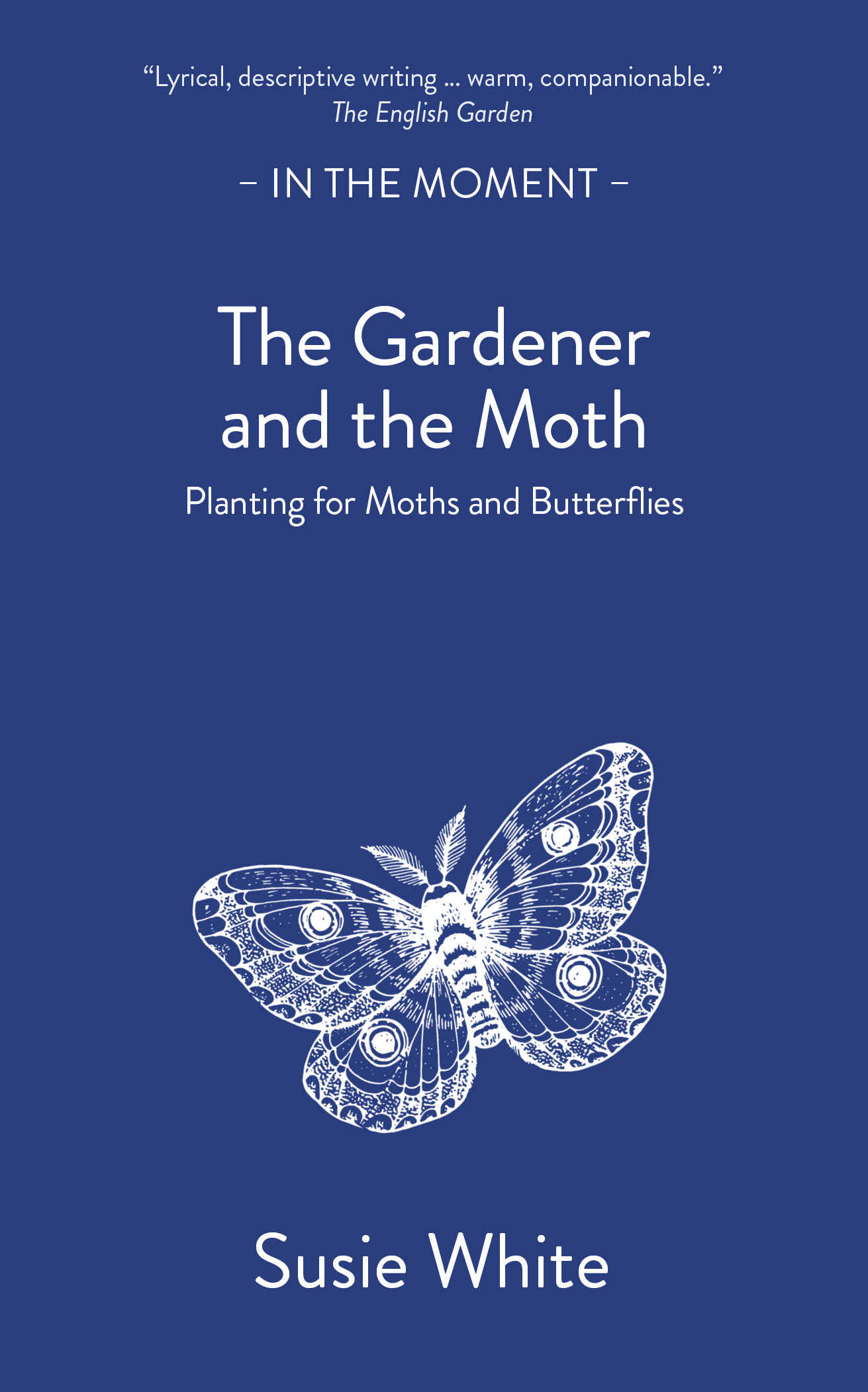
Learn how to create a garden that works both day and night for moths and butterflies, attracting stunning species and helping both flora and fauna to thrive.
Moths are a crucial but forgotten pollinator, often overlooked in favour of their brighter cousin – the butterfly. But, by ignoring moths, we are missing out on gardens that could be filled with more joy, movement and biodiversity. If we could build gardens that pay both pollinators the attention they deserve, we might just be rewarded with healthier, more beautiful ecosystems…
Lifelong gardener and author of Second Nature: The Story of a Naturalist’s Garden, Susie White has spent over a decade constructing a lively, abundant wildlife haven at her Northumberland home. Her garden is a sanctuary for all creatures and values life, variety and growth, of which both moths and butterflies are a crucial part. In this compact volume, she teaches us how to find plants that attract moths and butterflies, how to support these insects through their larval stages, and how to identify and study them.
As with so many insects, numbers of moths and butterflies have declined dramatically in recent years. Actively creating a beautiful garden that welcomes all forms of life is a simple but joyful step to take towards protecting them.
Prizes and awards
Garden Media Guild Awards: The Beth Chatto Environmental Award 2026: Shortlist
REVIEWS OF The Gardener and the Moth
“Anyone who wants to encourage moths and butterflies into their open space both day and night should bag a copy of naturalist and gardener Susie White’s compact volume” Must-have gardening books, Somerset Life magazine
“White’s charming and whimsically illustrated guide … will appeal to readers looking for a brief overview of making more pollinator-friendly gardens and seeking to understand the role of moths in the garden.” Library Journal
“[an] enriching book that effortlessly deepens the reader’s relationship with the natural world.” Hannah Gardener, Garden Design Journal
“Susie White's slim but charming volume explores how to create a garden that works for pollinators at night, as well as during the day, using a range of key plants.” The English Garden magazine
